
Choosing the right heating and cooling system for your home is an important decision that affects both comfort and energy costs. With so many options on the market, it’s helpful to understand the strengths and limitations of each system before making an investment. Here’s a breakdown of some of the best heating and cooling systems available for homeowners today.
1. Central HVAC Systems
Central heating and cooling systems are among the most common choices for homeowners. They typically use a furnace and air conditioner connected to a network of ducts that distribute air throughout the home. These systems are ideal for medium to large homes where consistent temperature control across multiple rooms is needed. When installed correctly and maintained regularly, central HVAC systems can last 15 to 20 years.
Pros:
-
Even temperature distribution
-
Can be paired with smart thermostats for efficiency
-
Suitable for larger homes
Cons:
-
Higher upfront cost
-
Ductwork needs regular maintenance
2. Ductless Mini Split Systems
For homes without existing ductwork or for homeowners looking to condition only certain areas, ductless mini split systems are a smart option. These systems consist of an outdoor unit and one or more indoor units mounted on the wall. They offer both heating and cooling capabilities, making them a versatile choice for year-round comfort.
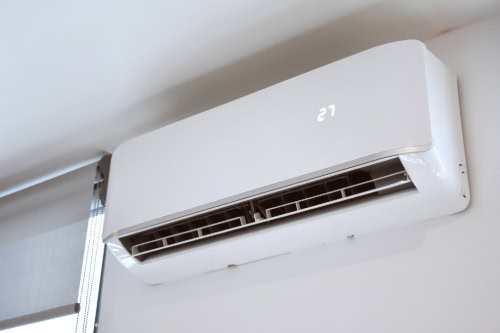
Pros:
-
No ductwork required
-
Zoned temperature control
-
Energy-efficient operation
Cons:
-
May not be ideal for large homes without multiple units
-
Indoor units are visible in the living space
3. Heat Pumps
Heat pumps are another energy-efficient solution, especially in moderate climates. A heat pump works by transferring heat instead of generating it—cooling your home in the summer and warming it in the winter. Both air-source and ground-source (geothermal) heat pumps are available, with geothermal being more efficient but also more costly to install.
Pros:
-
Lower energy bills over time
-
Provides both heating and cooling
-
Environmentally friendly option
Cons:
-
Less effective in extreme cold without a backup heat source
-
Higher initial installation cost, especially for geothermal models
4. High-Efficiency Furnaces and AC Units
If you’re upgrading an existing system, high-efficiency furnaces and air conditioners can offer significant long-term savings. Look for ENERGY STAR® rated units with high SEER (Seasonal Energy Efficiency Ratio) and AFUE (Annual Fuel Utilization Efficiency) ratings. These systems provide reliable comfort and help lower your utility bills.
Pros:
-
Lower monthly energy costs
-
Widely available and familiar to most contractors
-
Strong performance in a range of climates
Cons:
-
Requires existing ductwork
-
May need additional insulation or air sealing for best results
Final Thoughts
The best heating and cooling system for your home depends on your budget, climate, and how your home is constructed. Whether you go with a ductless mini split for targeted comfort or a central system for whole-home control, it’s important to choose a system that fits your needs and is installed by a licensed HVAC professional. Proper sizing and maintenance make all the difference in long-term performance and comfort.