
When it comes to home improvement, many homeowners enjoy rolling up their sleeves and handling smaller projects themselves. Painting a room, updating cabinet hardware, or installing shelving are all safe weekend DIY jobs. But electrical work is different. Even small mistakes can result in fire, shock injuries, code violations, or damage to expensive appliances. Knowing which electrical tasks require a licensed electrician can protect your home, your investment, and your safety.
Below are common projects that should be left to a professional, along with a few examples of electrical tasks homeowners can safely tackle on their own.
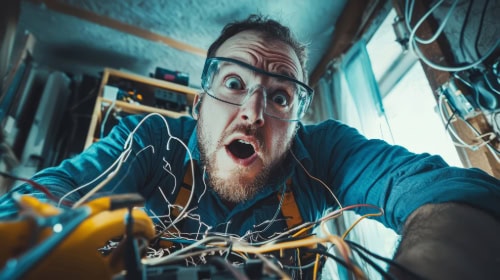
Projects That Require a Professional Electrician
1. Electrical Panel Upgrades
If your home needs a new breaker panel or additional amperage to support modern appliances, this is not a DIY project. Panel upgrades require knowledge of load calculations, grounding, bonding, and local electrical codes. A licensed electrician will ensure everything is up to code and safe for long-term use.
2. Installing New Circuits
Adding outlets or running new wiring for things like a home office, hot tub, workshop, or electric vehicle charger requires professional installation. Incorrectly sized wires, poor connections, or improper circuit protection can easily overload the system and create fire hazards.
3. Rewiring Older Homes
Older homes commonly have outdated wiring, including aluminum, knob-and-tube, or ungrounded systems. Full or partial rewiring should always be handled by a professional because it involves opening walls, updating circuits, and ensuring the entire system passes inspection. This type of work also often requires permits.
4. Electrical Work Involving Moisture
Any wiring done in kitchens, bathrooms, basements, laundry areas, or outdoors must meet strict code requirements for GFCI protection, waterproof connections, and proper enclosures. Installing outdoor lighting, hot tub wiring, or pool equipment should always be handled by a licensed electrician to ensure safety and compliance.
5. Installing Major Appliances or Equipment
Items like tankless water heaters, HVAC units, well pumps, backup generators, and whole-house surge protectors often require dedicated circuits and correct electrical sizing. A professional ensures everything is correctly wired and protected.
DIY Projects Homeowners Can Usually Handle
Not all electrical tasks require a contractor. Many homeowners can safely manage smaller jobs like:
Replacing standard light fixtures
Changing switch or outlet cover plates
Installing battery-powered smoke detectors
Replacing light switches or outlets (if the wiring is already correct and in good condition)
Even with these tasks, if you find damaged wiring, overheating, tripped breakers, or anything that doesn’t seem right, stop and call a professional.
Final Thoughts
Electrical work isn’t just about getting the power flowing—it’s about doing it safely, legally, and in a way that protects your home long-term. When in doubt, contacting a licensed electrician is always the safest and most cost-effective choice. A professional brings the right tools, training, and code knowledge to ensure your project is completed correctly and safely the first time. You can learn more by visiting https://strongtowerelectrical.com/.